An Arabic-first interface, not a translation
Right-to-left from the first sketch, a living dialect instead of newspaper Arabic, readable type on the smallest phone, and art that mirrors properly.
Most apps we use were designed in English first and later "flipped" into Arabic. The result is familiar: arrows pointing the wrong way, numbers glued to words, and stiff formal Arabic nobody actually speaks. We chose to go the other way.
Right-to-left from the first sketch
The first sketch of every screen starts on the right. The reading order, the position of the main button, the direction of motion are all built for a reader who begins on the right. When we make an English version, that is the one that gets mirrored, not the other way round.
But not everything flips
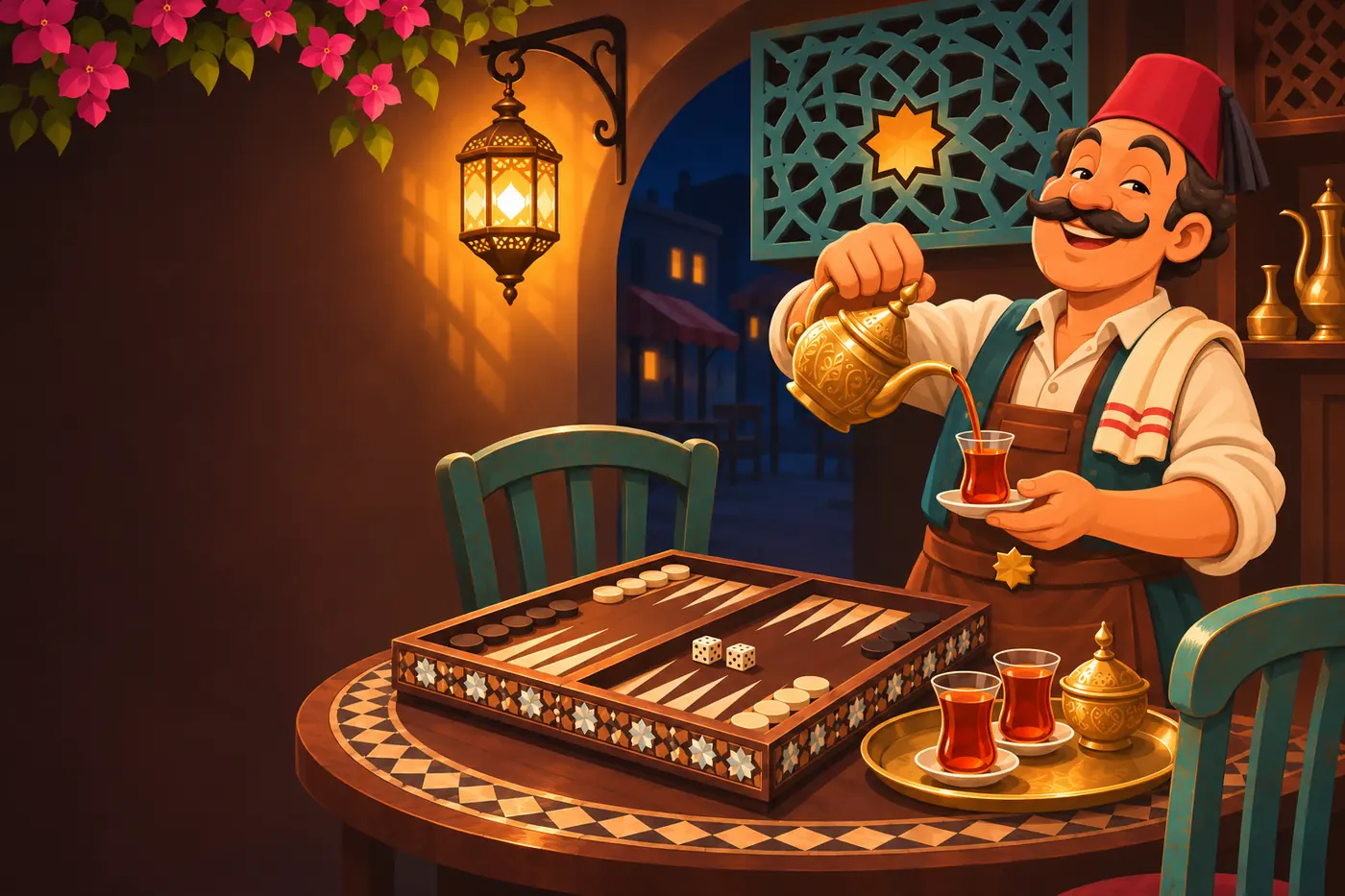
Some things must not be mirrored: numbers, a backgammon board that has a real direction at the café, clocks, the play symbol. So we go through every element and ask: does this carry a meaning of direction, or is it just shape? Each answer is a decision.
A dialect, not newspaper Arabic
The Egyptian café speaks Egyptian; the Gulf majlis speaks Gulf Arabic. "Yalla, a game?" is not the same as "Welcome, sit with us". The copy in our games is written the way people talk at the table, and reviewed by people from that place.
Type that reads, not just type that looks good
We chose Arabic display faces with character for titles and very clear faces for body text, and we check every screen on the smallest phone and a large tablet. If a word becomes too small or gets cut off, the screen is reworked until it reads.
The art speaks Arabic too
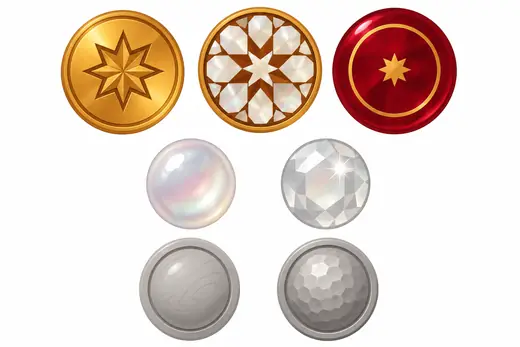
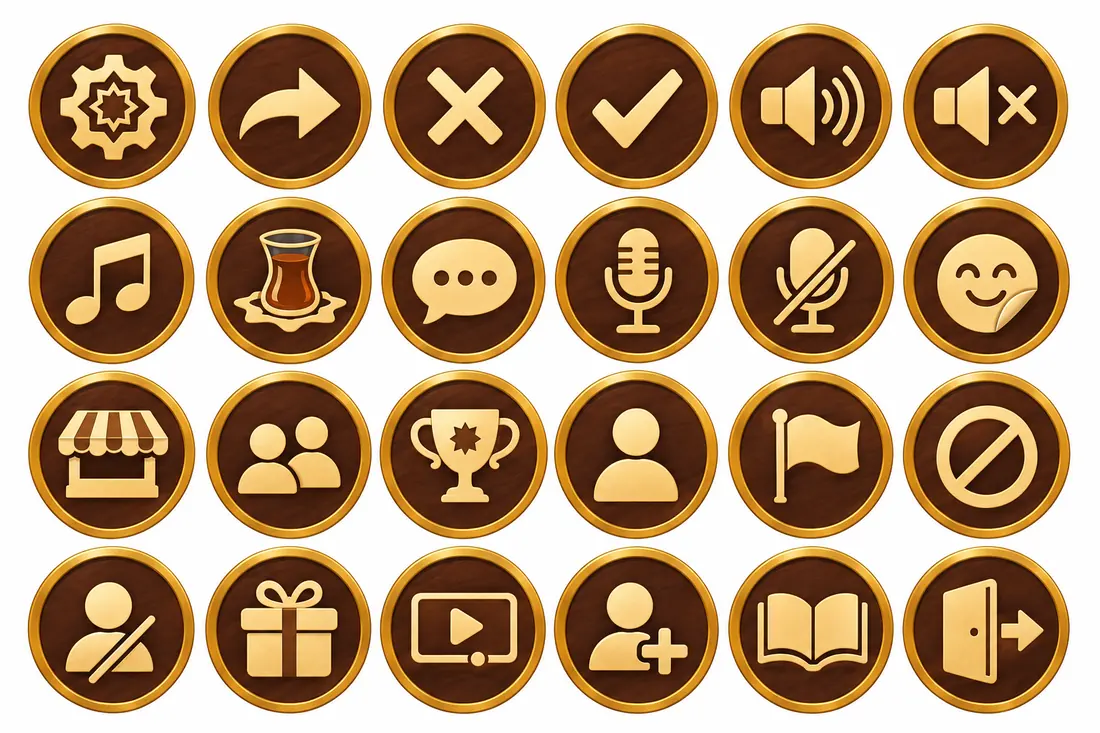
Our playing cards show the jack, queen and king in Gulf dress; the ornaments are arabesque, sadu and mother-of-pearl; the icons were drawn for us instead of imported stock sets. Yazoodle is drawn on a notebook page in the same hand we used to write at school.
The goal is not an interface that "supports" Arabic. The goal is that an Arabic-speaking player feels the game was made for them from the beginning.